
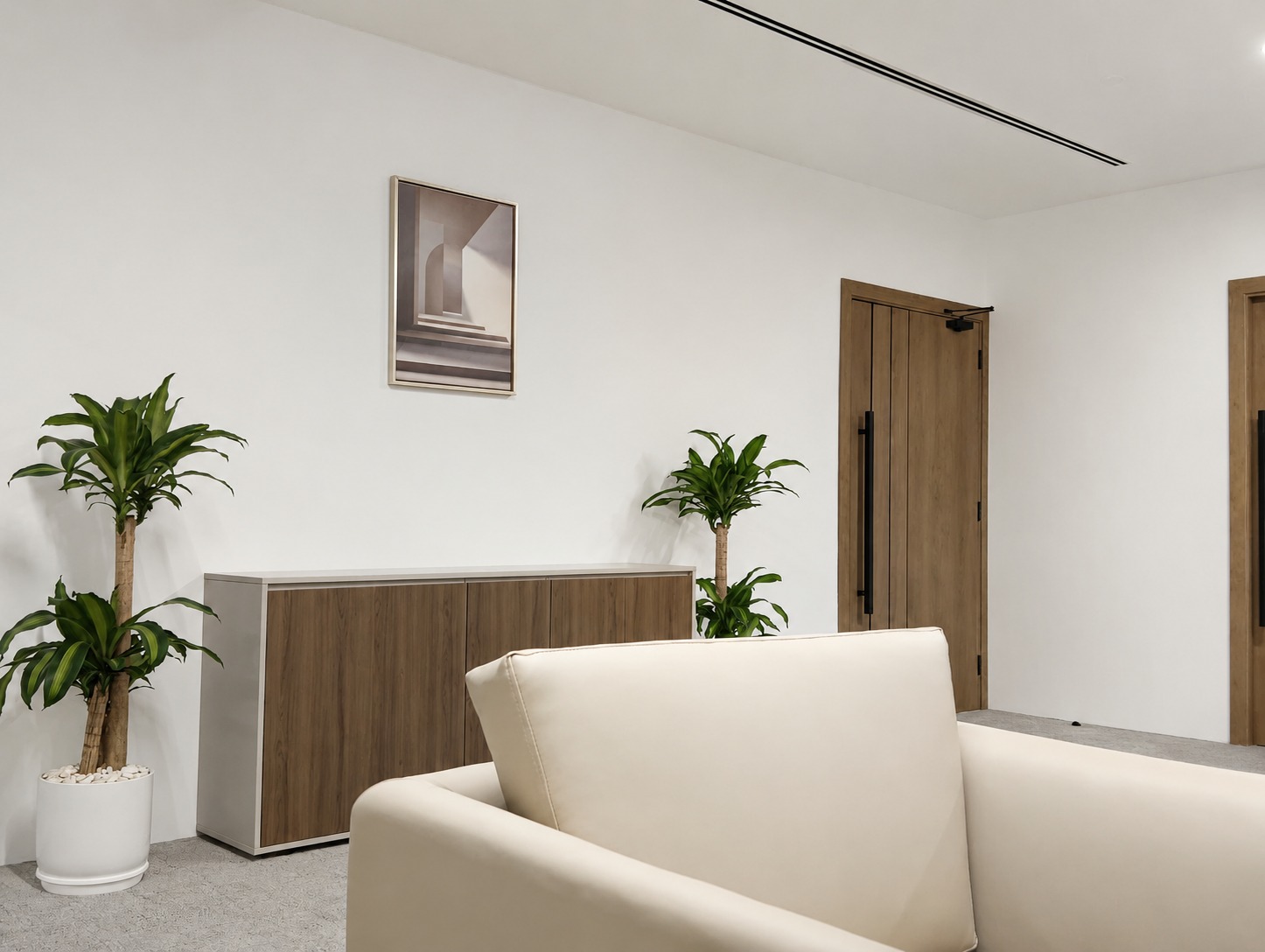
Sustainable interior design is about making better decisions about materials, energy use, indoor comfort and the lifespan of the products used in a home. In the UAE, where air conditioning, lighting and material choices influence household resource consumption, thoughtful design can help reduce environmental impact without compromising appearance or functionality.
Sustainable Interior Design UAE focuses on creating spaces that use resources more efficiently and remain practical over time. This can involve selecting responsibly sourced materials, choosing durable furniture, improving natural lighting and incorporating energy-efficient systems. For homeowners in Abu Dhabi, these decisions can also help create interiors that respond to the local climate and everyday living requirements.
What Does Sustainable Interior Design Mean?
Sustainable interior design considers the environmental impact of a space throughout its lifecycle, from material selection and construction to daily use and future maintenance.
Rather than focusing on appearance alone, designers consider where materials come from, how long products are likely to last, how much energy a space requires and what happens when furnishings or finishes need replacing.
A sustainable home may include:
- Materials with recycled, reclaimed or responsibly sourced content.
- Furniture selected for durability and repairability.
- Energy-efficient lighting and suitable lighting controls.
- Window treatments that help manage heat and daylight.
- Finishes with low volatile organic compound (VOC) emissions.
- Layouts that make better use of natural light and ventilation where practical.
These decisions help reduce waste and support healthier, more efficient indoor environments.
Choosing Eco-Friendly Materials for UAE Homes
Material selection has a direct influence on the environmental footprint of an interior. Manufacturing, transportation, installation, maintenance and replacement all contribute to the overall impact of a product.
Select Materials With Lower Environmental Impact
Eco-Friendly Interior Design UAE projects can incorporate materials with recycled content, responsibly managed sources or reclaimed components. The right choice depends on the application, availability, performance and maintenance requirements.
Options worth considering include:
- Reclaimed timber: Can give existing wood a second use in furniture, flooring or decorative features.
- Recycled materials: Recycled glass, metal and other suitable materials can be used in selected finishes and surfaces.
- Responsibly sourced wood: Certified timber can offer greater transparency around sourcing.
- Natural materials: Stone, cork and other suitable materials can be considered based on their origin, processing and intended use.
- Low-VOC paints and finishes: Help limit the release of certain indoor air pollutants.
A material should not be labelled sustainable simply because it is natural or recycled. Its durability, production process, transportation and suitability for the UAE environment also matter.
Prioritise Durability Over Frequent Replacement
A finish that needs frequent replacement can create additional material waste and expense. Selecting durable flooring, quality joinery, hard-wearing upholstery and suitable surface finishes can help extend the useful life of an interior.
This is particularly relevant in kitchens, bathrooms and high-traffic living areas, where moisture, heat and regular use can affect materials over time.
How Energy-Efficient Design Reduces Environmental Impact
Energy use is an important part of sustainable home design in the UAE. Cooling and lighting requirements can be significant, so interior decisions should support the efficient operation of these systems.
Make Better Use of Natural Light
A well-planned layout can make better use of available daylight and reduce the need for artificial lighting during certain hours. Window placement, furniture arrangements, reflective surfaces and suitable window treatments all influence how daylight moves through a room.
In areas exposed to strong sunlight, glare and heat gain also need consideration. The objective is to balance natural illumination with indoor comfort.
Choose Energy-Efficient Lighting
Energy-efficient lighting can reduce electricity consumption while providing suitable illumination for different activities. LED fixtures are a practical option for many residential spaces because they generally use less energy and last longer than traditional incandescent lighting.
Lighting controls can improve efficiency further:
- Dimmers allow residents to adjust brightness according to the activity.
- Occupancy sensors can switch lights off in unoccupied areas.
- Timers can control outdoor and decorative lighting.
- Lighting scenes can combine several fixtures at appropriate brightness levels.
These features can be integrated into wider home automation systems where required.
Consider Cooling When Planning Interiors
Furniture placement, window treatments and material choices can influence indoor comfort. Suitable curtains, blinds and shading can help manage direct sunlight entering the home. Where appropriate, these measures can support the performance of the air-conditioning system.
Climate controls and well-planned lighting automation can also help residents manage energy use according to their daily routines.
Sustainable Furniture and Long-Term Interior Planning
Furniture is another important consideration when creating Sustainable Home Interiors UAE. Replacing large furniture items frequently can increase waste, while poorly selected products may require more maintenance or become unsuitable as household needs change.
When selecting furniture, consider:
- Construction quality: Look for strong frames, reliable joints and durable finishes.
- Material sourcing: Check whether timber, fabrics and other materials come from responsible sources.
- Repairability: Choose products that allow upholstery, components or finishes to be repaired.
- Adaptability: Consider modular or flexible furniture that can serve different purposes.
- Product lifespan: Prioritise pieces designed for long-term use rather than short-term trends.
A carefully selected sofa, dining table or storage unit can remain part of a home for many years. This reduces the need for frequent replacements and helps make better use of resources.
Creating Green Interiors Without Compromising Style
Green interiors do not have to look rustic or follow one particular design style. Sustainable choices can work with contemporary, minimalist, classic and luxury interiors.
For example, responsibly sourced timber can add warmth to a modern living room, while recycled glass or metal can become part of a decorative feature. Natural textures, indoor plants and durable finishes can also contribute to a balanced interior.
The important part is how these elements are selected and combined. A designer should consider the room's purpose, lighting conditions, maintenance requirements and the homeowner's preferences before specifying materials and furniture.
Planning Sustainable Interior Design in Abu Dhabi
A sustainable interior should respond to the property's location and the way residents use it. Sustainable Interior Design Abu Dhabi projects need to account for strong sunlight, high outdoor temperatures, cooling requirements and the availability of suitable materials.
A practical design process should consider:
- Review the property: Understand the layout, orientation, daylight and existing building systems.
- Set priorities: Identify where material selection, lighting or cooling improvements can make the most difference.
- Specify materials: Assess durability, sourcing, maintenance and environmental information.
- Plan lighting: Combine natural light with efficient fixtures and suitable controls.
- Select furniture: Choose products that suit the space and offer long-term usability.
- Coordinate systems: Consider how lighting, shading and climate controls can work together.
This approach helps make sustainability part of the design from the beginning rather than treating it as a collection of finishing choices.
Create a More Sustainable Home With Skyford
A sustainable home begins with practical design decisions that consider how a space is built, furnished and used every day. From material selection and furniture to lighting and connected technology, each element can contribute to a more efficient interior.
Skyford Interiors & Automation combines interior design with intelligent home solutions to help create spaces that reflect individual preferences while considering long-term performance.
Plan a more sustainable interior for your UAE home with Skyford.
Discuss Your ProjectFrequently Asked Questions
1. What are the main benefits of sustainable interior design?
It can help reduce material waste, improve energy efficiency, support indoor comfort and encourage the use of durable products that require less frequent replacement.
2. Which eco-friendly materials are suitable for UAE homes?
Options include responsibly sourced timber, reclaimed wood, recycled glass, suitable natural materials and low-VOC finishes. Selection should account for durability and local conditions.
3. Is sustainable interior design more expensive?
Not necessarily. Some sustainable products may cost more initially, but durable materials, efficient lighting and reduced replacement needs can offer long-term value.
4. How can lighting make a home more sustainable?
LED fixtures, dimmers, occupancy sensors and daylight-responsive controls can reduce unnecessary electricity use while maintaining suitable lighting levels.
5. Can luxury interiors also be sustainable?
Yes. High-quality materials, durable furniture, efficient lighting and carefully planned layouts can create refined interiors while reducing unnecessary resource use.